
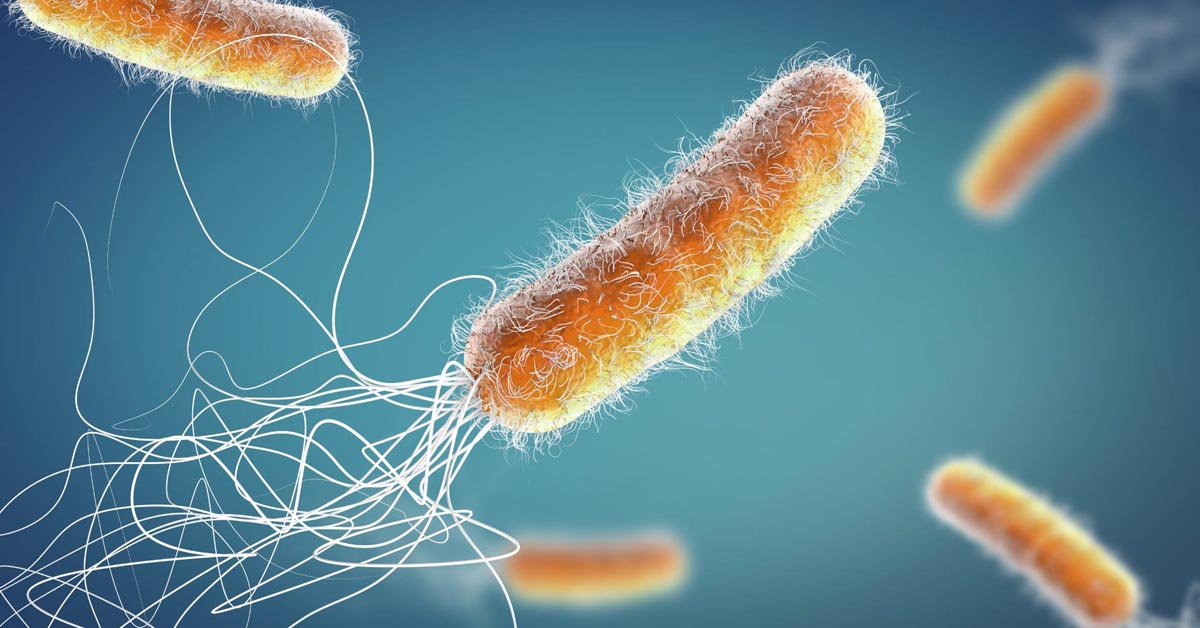
A major international investigation led by the University of Gothenburg has revealed that untreated municipal wastewater may not be the consistent breeding ground for antibiotic-resistant bacteria that many experts have long feared. The study, published in Nature Communications, analyzed wastewater from 47 countries and found that in most cases, resistant E. coli strains were actually suppressed rather than favored.
Wastewater Behaves Differently Than Expected
Municipal wastewater contains a mix of excreted antibiotics, biocides, industrial chemicals, and microbes from human populations. Because of this chemical complexity, it has often been assumed that such environments promote resistance. To test this assumption, researchers examined how resistant and sensitive E. coli strains behaved when exposed to untreated wastewater from different regions. Surprisingly, only a minority of samples supported the growth of resistant strains. In the majority of cases, sensitive bacteria grew more effectively, indicating that resistance came with a biological disadvantage in these settings.
Why Resistant Bacteria Often Struggle
Joakim Larsson, senior author of the study and director of the Centre for Antibiotic Resistance Research (CARe), explained that resistance mechanisms frequently impose a metabolic cost. When antibiotic levels are too low to justify carrying resistance genes, sensitive bacteria may grow faster and outcompete resistant strains. This finding challenges the widely accepted notion that wastewater routinely accelerates resistance evolution.
Chemical Drivers Show Weak Influence
The researchers also measured the concentrations of 22 antibiotics and 20 antibacterial biocides in all wastewater samples to determine whether chemical composition could explain bacterial selection patterns. Their analysis showed inconsistent relationships between the chemical profiles and the observed bacterial behavior. To summarize the chemical assessment, the team highlighted several key points:
- Some antibiotics reached concentrations theoretically sufficient to select for resistance.
- No individual antibiotic consistently explained selection or suppression trends.
- Biocides, though abundant, also failed to show strong predictive value.
- Complex chemical mixtures or unmeasured compounds likely influence outcomes.
These findings indicate that the chemical environment of wastewater is far more intricate than traditional risk models suggest.
Validation Through Multiple Experimental Systems
To confirm that their observations were not limited to specific strains, the researchers conducted experiments using both natural microbial communities and a synthetic mixture of 340 genetically diverse E. coli strains. Results from these additional tests supported the same overall pattern: resistant bacteria were often at a growth disadvantage in wastewater environments.
Rethinking the Role of Wastewater in Resistance Spread
Although a subset of wastewater samples did promote resistance, the broader global trend suggests that many municipal wastewater systems may actually inhibit resistant bacteria. This nuanced picture challenges long-standing assumptions and underscores the need to reconsider how and where antibiotic resistance emerges in real-world settings. Wastewater remains an important monitoring target, but its role may be more variable, and less uniformly harmful than previously believed.