
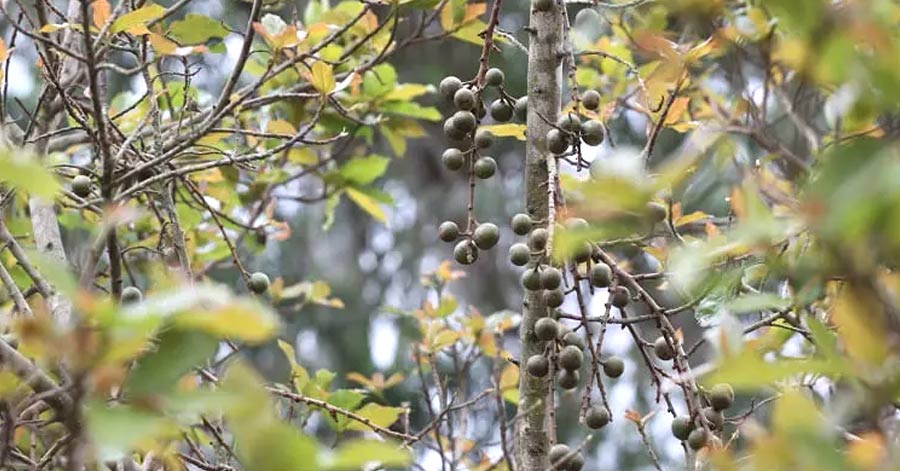
A new study published in Trends in Pharmacology and Toxicology from Nigerian researchers suggests that Ficuscapensis, a tree commonly used in African traditional medicine, may offer a promising source of compounds to combat African trypanosomiasis, a neglected tropical disease that affects both humans and livestock across Sub-Saharan Africa.
African trypanosomiasis, also known as sleeping sickness in humans, is caused by Trypanosoma brucei parasites transmitted by tsetse flies. Despite the availability of several drugs, treatment options remain limited due to high costs, toxicity, severe side effects, and the growing problem of drug resistance. These challenges have intensified the search for safer, more affordable alternatives, particularly those derived from natural sources.
In the study, researchers evaluated the antitrypanosomal activity of Ficuscapensis leaf extracts prepared using four different solvents: water, methanol, dichloromethane, and cyclohexane. Infected mice were treated with varying doses of each extract, and parasite levels and survival times were monitored.
The results showed that the methanol leaf extract exhibited the strongest antitrypanosomal activity. Mice treated with this extract experienced a significant reduction in parasite levels and survived for up to six days after infection. In contrast, untreated mice survived only two days, highlighting the extract’s protective effect. Other extracts, including aqueous and non-polar solvent extracts, showed limited or moderate activity and did not significantly improve survival.
Although the methanol extract did not eliminate the parasite and was less effective than the standard trypanocidal drug used as a positive control, its ability to suppress parasitemia and extend survival is considered biologically meaningful. The researchers attribute this effect to bioactive compounds such as flavonoids, alkaloids, tannins, and phenolic compounds, which are known to possess antiparasitic properties and are efficiently extracted using methanol.
Equally important was the study’s safety assessment. Acute toxicity tests revealed that all extracts were well tolerated at doses up to 3000 mg/kg, with no mortality or observable damage to major organs such as the liver, kidneys, heart, lungs, or spleen. This favorable safety profile suggests a wide therapeutic margin and supports further investigation of Ficuscapensis–derived compounds.
The researchers emphasize that the findings do not suggest replacing existing drugs but rather point to Ficuscapensis as a potential source of lead compounds for future drug development. Further studies are needed to isolate the active molecules, evaluate their mechanisms of action, and assess long-term safety.
By validating the medicinal potential of a plant long used in traditional medicine, the study highlights the continued relevance of ethnobotanical knowledge in addressing modern public health challenges and advancing the search for new treatments against neglected tropical diseases.