
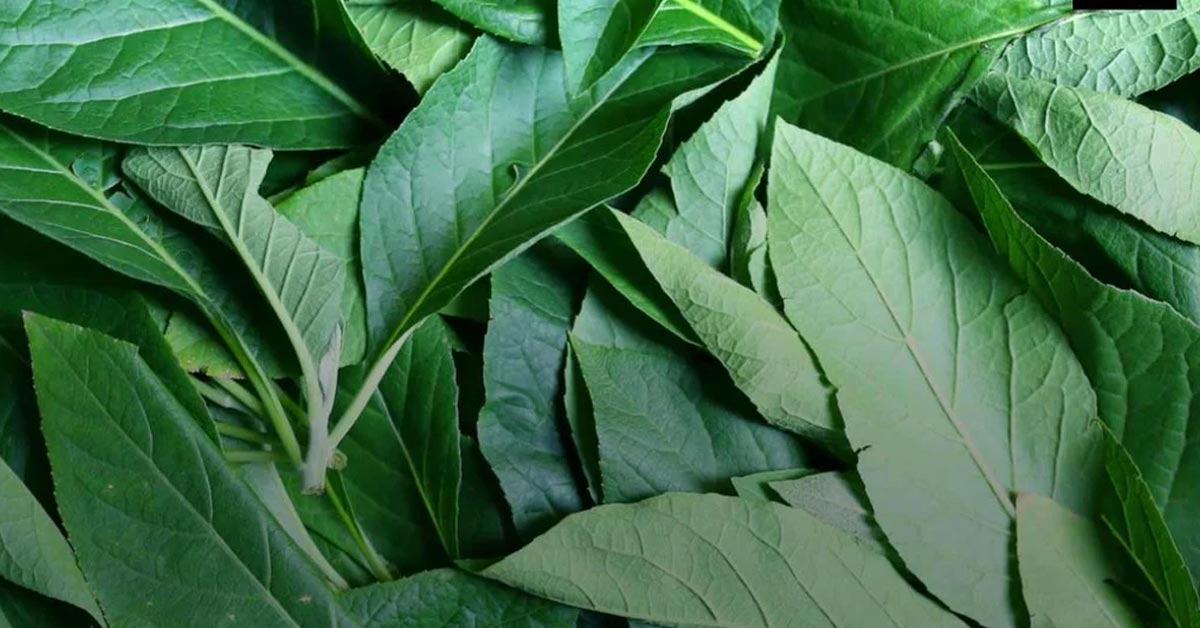
Researchers in Nigeria have discovered that Vernonia amygdalina, commonly called bitter leaf, may help protect the blood from damage caused by toxic chemicals. The study published in Trends in Pharmacology and Toxicology, conducted by scientists at the University of Benin and Michael and Cecilia Ibru University, explored the effects of bitter leaf extract on rats exposed to 1,2-dimethylhydrazine (DMH), a chemical known to induce toxicity and mimic human colorectal damage.
Study Rationale
Hematotoxicity occurs when chemicals disrupt the function of blood cells and blood-forming tissues, potentially compromising overall health. DMH is widely used in research to study chemical-induced organ toxicity and cancer development. In this study, forty male Wistar albino rats were randomly divided into eight groups: a control group, a DMH-exposed group, a silymarin-treated group, a group receiving only bitter leaf extract, and pre- and post-treatment groups with two doses of the extract (200 mg/kg and 400 mg/kg body weight). Rats were exposed to DMH at a single dose of 40 mg/kg body weight, and the extract was administered intraperitoneally over a period of 21 days.
At the end of the experiment, blood samples were collected to measure a range of hematological parameters, including red and white blood cell counts, hemoglobin, lymphocytes, platelets, and related indices. Data were analyzed using statistical methods to determine significant differences between groups.
Major Findings
Rats exposed to DMH experienced significant reductions in body weight and critical blood parameters, including red blood cells (RBC), hemoglobin (HB), lymphocytes (LYM), mean corpuscular volume (MCV), mean corpuscular hemoglobin concentration (MCHC), MID cells, and platelets (PLT). These changes reflect impaired blood function and a weakened immune system, common indicators of chemical toxicity.
Rats that received bitter leaf extract, either before or after DMH exposure, showed improvements in blood parameters and body weight, although many changes were statistically moderate. Specifically, pre- and post-treatment with the extract helped restore RBCs, HB, and lymphocyte levels, suggesting enhanced red blood cell production and improved oxygen transport. Platelet counts also increased in treated groups, indicating potential improvements in blood clotting function.
Some hematological indices, such as white blood cells (WBC), packed cell volume (PCV), mean platelet volume (MPV), and other related parameters, increased in the DMH-only group compared to controls, reflecting immune system responses to chemical stress. Administration of bitter leaf extract appeared to moderate these responses, highlighting its immune-modulating properties.
How Bitter Leaf Works
The protective effects of Vernonia amygdalina are likely due to its rich content of bioactive phytochemicals, including antioxidants and polyphenols. These compounds can reduce oxidative stress, stimulate erythropoietin production (a hormone regulating red blood cell formation), and enhance immune function. The extract also appears to influence platelet activity, which may improve blood clotting and inflammatory responses during disease conditions.
Dr. Osahon Daniel Abu, the study’s lead author, commented, “Our findings suggest that bitter leaf extract can counteract some of the blood toxicity caused by DMH. This points to the potential of using traditional medicinal plants as natural remedies for blood disorders and chemical-induced toxicity.”
Implications for Health
This study highlights the promise of Vernonia amygdalina as a natural intervention for hematotoxicity. By improving blood cell counts and moderating toxic effects, bitter leaf extract could serve as a foundation for future research and potential clinical applications. Communities exposed to environmental or occupational toxins may particularly benefit from sustainable, plant-based treatments derived from traditional medicinal plants.
Highlights
The findings demonstrate that Vernonia amygdalina leaf extract can enhance hematopoietic function, reduce oxidative stress, and support immune responses in rats exposed to chemical toxins. Further research may explore its potential in clinical trials, offering a natural, accessible approach to preventing or treating blood disorders.