
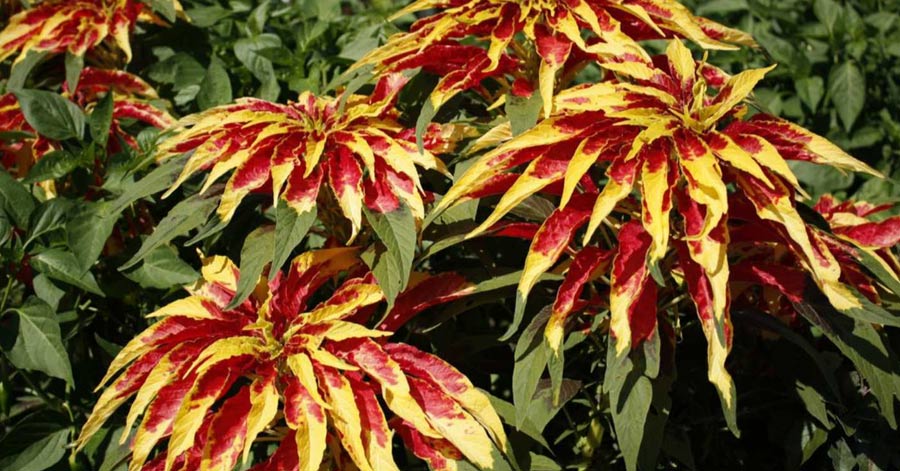
In a significant validation of traditional knowledge, a humble coastal plant from Brazil has demonstrated remarkable potential in fighting arthritis and inflammation in a new laboratory study. The research, published in the Journal of Ethnopharmacology, provides scientific backing for the long-standing folk use of the plant known as Joseph’s Coat, or Alternanthera littoralis.
For generations, communities along Brazil’s coastline have used Joseph’s Coat to treat various ailments, including inflammation and infections. However, its effectiveness and safety had not been rigorously examined by modern science until now. A collaborative team from the Federal University of Grande Dourados (UFGD), the State University of Campinas (UNICAMP), and São Paulo State University (UNESP) set out to change that.
The scientists began by creating an ethanolic extract from the aerial parts of the plant and analyzing its chemical profile to identify bioactive compounds. They then tested this extract in experimental models of arthritis. The results were promising: the treatment significantly reduced swelling and edema, improved joint health, and showed signs of protecting tissue from further damage. The researchers observed that the extract modulated key inflammatory mediators and exhibited antioxidant properties, suggesting a multifaceted mechanism of action.
Just as important as its efficacy was the extract’s safety profile. Toxicological analyses conducted as part of the study indicated that Joseph’s Coat extract was well-tolerated at the therapeutic doses used in the experiments. “We observed reduced edema, improved joint parameters, and modulation of inflammatory mediators, suggesting antioxidant and tissue-protective actions,” explained Arielle Cristina Arena, an associate professor at UNESP who coordinated the toxicological work.
The researchers caution that these findings, while encouraging, are preliminary. The extract is not yet ready for human clinical use. Considerably more work is needed, including further toxicological studies, standardized preparation methods, and ultimately, human clinical trials to confirm safety and efficacy for patients.
Nonetheless, the study represents a crucial step in bridging traditional medicine and contemporary science. It highlights how indigenous knowledge can guide researchers toward promising natural compounds. “Our purpose is to value Brazilian biodiversity and traditional knowledge, but with a rigorous scientific basis, promoting the safe and rational use of natural products,” Arena stated. The research was supported by multiple grants from the São Paulo Research Foundation (FAPESP), paving the way for future exploration of this and other native plants for therapeutic applications.