
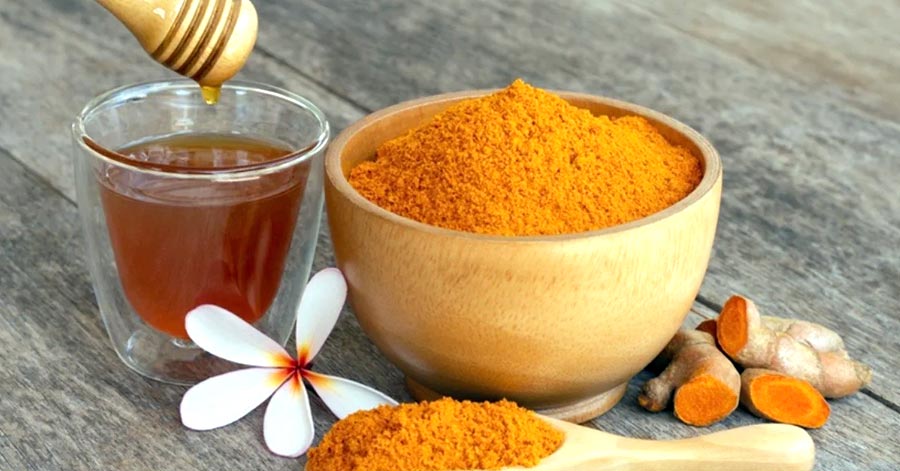
Researchers from the University of Benin, Nigeria, have discovered that a combination of curcumin, the active compound in turmeric, and honey can significantly improve cholesterol levels in menopausal rats. This offers a potential natural alternative therapy to hormone replacement for cardiovascular health. The rat study was published in the journal Trends in Pharmacology and Toxicology.
Menopause is often linked to a higher risk of heart disease due to changes in cholesterol levels, particularly a drop in “good” HDL and a rise in “bad” LDL. Using a well-established rat model of menopause, the team tested whether dietary supplements of curcumin and honey could help restore healthier lipid profiles through phytotherapy.
The results were promising. Menopausal rats given curcumin and honey showed increased levels of HDL cholesterol and decreased LDL cholesterol. In some cases, the treatment even outperformed rats treated with estrogen, the standard medical intervention. Notably, the combination also helped lower blood glucose at certain doses, suggesting additional metabolic benefits.
“These findings highlight the potential of plant-based compounds in supporting cardiovascular health during menopause,” explained lead researcher OrobosaAikoriogie. “Curcumin and honey may work together to enhance cholesterol clearance and reduce inflammation, offering a complementary approach to conventional treatments.”
The study underscores the importance of exploring natural, accessible interventions for menopause-related health risks, especially in regions where conventional hormone therapy may be limited or undesired. Further research is needed to confirm these effects in humans and to determine optimal dosing for long-term use.
The research was supported by the University of Benin and conducted in accordance with ethical guidelines for animal studies.