
Researchers from the University of Kentucky have identified major differences in how bacterial toxins influence electrical activity at nerve–muscle junctions. The study, published in the Journal of Pharmacology and Toxicology, demonstrates that only specific bacterial lipopolysaccharides cause rapid changes in membrane potential, while others show no measurable effect.
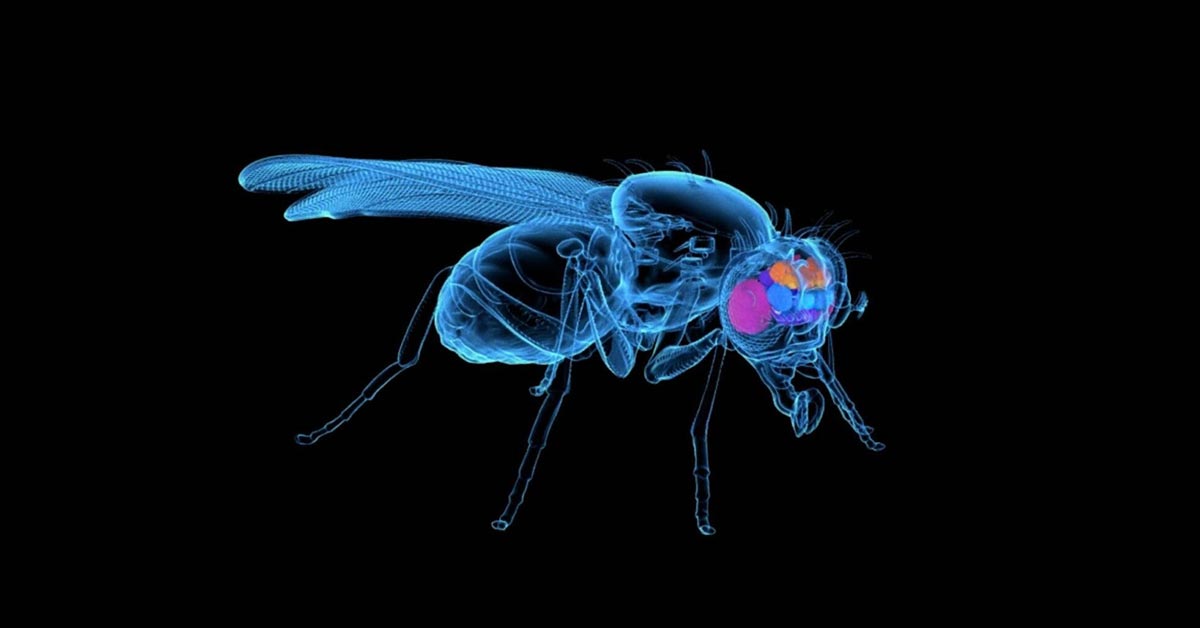
The team examined how toxins from Gram-negative and Gram-positive bacteria act on the muscle membrane potential in Drosophila melanogaster larvae. The investigation focused on two categories of bacterial components: lipopolysaccharides and lipoteichoic acid. Using highly controlled electrical recordings, the researchers monitored immediate cellular responses occurring within seconds of toxin exposure.
Lipopolysaccharides obtained from Serratia marcescens and Pseudomonas aeruginosa produced an immediate and pronounced hyperpolarization of the muscle membrane. This initial shift was followed by a gradual depolarization phase. At higher concentrations, the toxin from Serratia marcescens caused strong muscle contractions that disrupted stable measurements.
Lipopolysaccharides extracted from Escherichia coli and Salmonella enterica, including commercial and ultra-pure forms, did not produce significant changes in membrane potential. Similarly, lipoteichoic acid from Staphylococcus aureus resulted in no measurable electrical disturbance.
These observations suggest that structural differences among lipopolysaccharides are responsible for the varied effects, despite identical purification procedures used for commercial preparations.
The findings highlight the importance of toxin structure in determining its direct effect on nerve–muscle physiology. Since early septic reactions may involve rapid electrical disturbances before immune signaling begins, identifying which toxins cause immediate effects could help refine septicemia research. The study also emphasizes the need for careful toxin selection in experimental designs because different bacterial sources lead to significantly different outcomes.
The research demonstrates that toxins from Serratia marcescens and Pseudomonas aeruginosa have strong and immediate effects on membrane potential and synaptic transmission, while those from E. coli, S. enterica, and S. aureus do not. These results provide clearer insight into how different bacterial strains directly influence cellular physiology and may guide future investigations into the early stages of septic toxicity.