
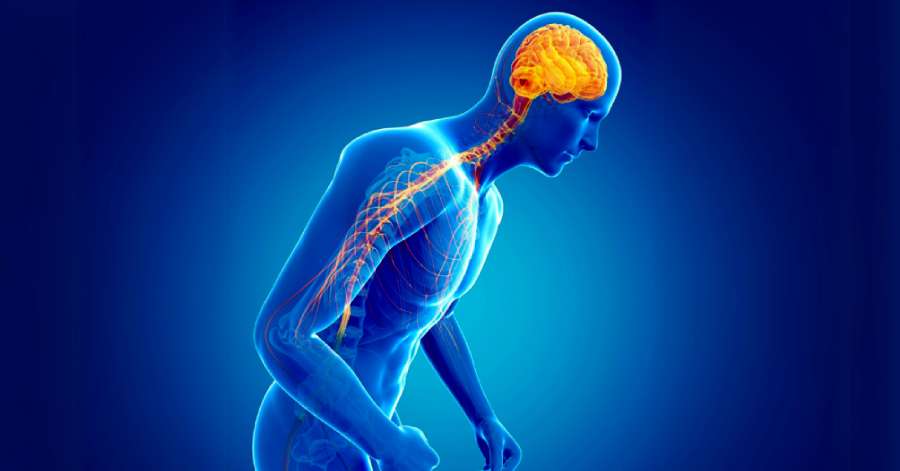
In a discovery that challenges decades of neuroscience, researchers at McGill University have fundamentally redefined dopamine’s role in movement. Published in Nature Neuroscience, the study reveals that dopamine does not directly control how fast or forcefully we move. Instead, it acts more like the oil in an engine, a permissive background substance that allows movement to happen, rather than a throttle that dictates its vigor.
This paradigm shift has profound implications for understanding and treating Parkinson’s disease, a neurodegenerative disorder characterized by the loss of dopamine-producing neurons. The findings suggest that current treatments, while effective, may have been working for a different reason than scientists assumed, opening the door to simpler and potentially safer therapeutic strategies.
From Throttle to Lubricant: Redefining Dopamine’s Function
The prevailing model held that brief, rapid spikes of dopamine in the brain were the direct signals commanding movement intensity. This theory was supported by observations that people with Parkinson’s, who have depleted dopamine, move slowly, and that the drug levodopa, which boosts dopamine, restores movement.
To test this model, the McGill team used advanced optogenetics in mice. They could instantly switch dopamine neurons on or off with light while the animals performed a task, such as pressing a weighted lever. If dopamine bursts were the go signal for vigor, manipulating them mid-action should have changed the speed or force of the movement. It did not.
“Changing dopamine during the action itself had no effect,” said senior author Nicolas Tritsch. “What restored movement was bringing the overall, baseline level of dopamine back to normal. That tells us dopamine isn’t the moment-to-moment controller. It’s the essential background condition that lets the motor system operate.”
Why Levodopa Works A New Explanation
This explains a long-standing puzzle: why does levodopa help? The study found it doesn’t work by restoring those rapid, action-timed dopamine bursts. Instead, it works by replenishing the brain’s general dopamine “tone,” effectively re-oiling the engine so movement can proceed smoothly. The motor circuits themselves then handle the specifics of speed and force.
Toward the Next Generation of Parkinson’s Therapies
This insight could reshape treatment paradigms. Current dopamine replacement therapies, including levodopa and dopamine agonists, can cause significant side effects like dyskinesias (involuntary movements) because they often affect large brain areas in a non-physiological, pulsatile manner.
“If the goal is simply to maintain a steady, adequate level of dopamine, not to mimic rapid bursts, it might allow for simpler, more sustained drug delivery systems,” Tritsch noted. It also encourages a re-examination of older drugs and strategies focused on stabilizing dopamine levels, which may be more precise and cause fewer side effects.
With over 110,000 Canadians living with Parkinson’s, a number set to double by 2050, the need for better treatments is urgent. This research, funded by the Canada First Research Excellence Fund and the Fonds de Recherche du Québec, provides a crucial new lens through which to view the disease, moving the field beyond the “dopamine as throttle” metaphor that has guided research for generations.
By redefining dopamine as the brain’s lubricant instead of its accelerator, scientists may now be better equipped to design therapies that keep the engine of movement running smoothly for years to come.