
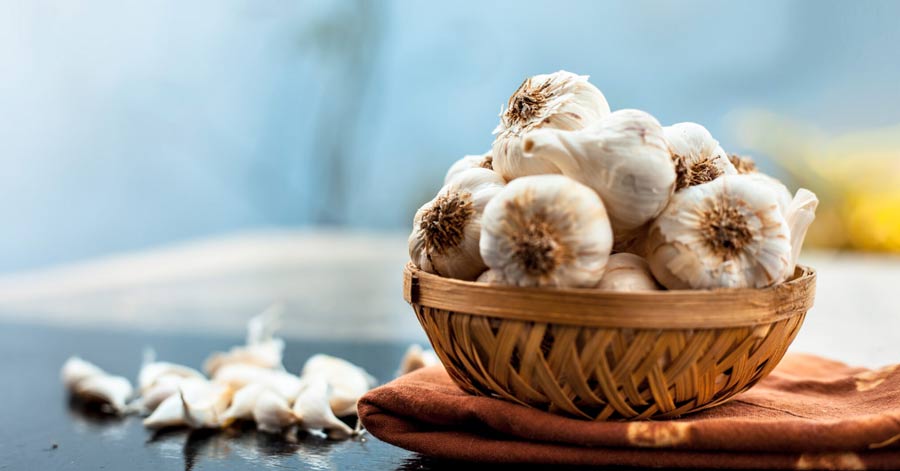
Garlic, long valued for its culinary and medicinal uses, is now gaining scientific attention for an unexpected role in oral health. A recent systematic review conducted by researchers at the University of Sharjah suggests that garlic-based mouthwash may rival chlorhexidine, the gold standard antimicrobial agent used in dentistry, in fighting harmful oral bacteria.
The findings, published in the Journal of Herbal Medicine, indicate that mouthwashes formulated with higher concentrations of garlic extract (Allium sativum) demonstrate antimicrobial effects comparable to, and in some cases stronger than, those of chlorhexidine. This discovery highlights the growing potential of herbal alternatives in oral healthcare, particularly for patients seeking natural treatment options.
Chlorhexidine has been widely prescribed for decades to manage dental plaque, gingivitis, periodontal disease, and other oral infections. Despite its effectiveness, prolonged use is associated with several drawbacks, including tooth discoloration, altered taste perception, mucosal irritation, and emerging concerns over antimicrobial resistance. These limitations have prompted researchers to explore plant-based substitutes with fewer side effects.
To evaluate garlic’s clinical potential, the research team conducted a systematic review following the Preferred Reporting Items for Systematic Reviews and Meta-Analyses (PRISMA) 2020 guidelines. Using the PICO framework, the authors screened 389 articles retrieved from six electronic databases, along with additional studies identified through manual citation searches. After removing duplicates and applying inclusion and exclusion criteria, only five clinical studies were deemed suitable for final analysis.
The selected studies consisted primarily of randomized controlled trials and clinical investigations with low-to-moderate risk of bias. Results showed that garlic extract mouthwash significantly reduced bacterial counts in the oral cavity. In several trials, its antimicrobial performance was comparable to that of chlorhexidine, particularly when higher concentrations and longer application durations were used.
However, outcomes varied depending on formulation strength, exposure time, and measured parameters. While some studies favored chlorhexidine for maintaining plaque control and stabilizing salivary pH, others reported stronger antibacterial activity from garlic extract at specific concentrations. Importantly, garlic mouthwash appeared to offer longer-lasting residual antimicrobial effects in certain cases.
The antimicrobial properties of garlic are largely attributed to allicin, a sulfur-containing compound released when garlic cloves are crushed or chopped. Allicin has been widely studied for its antibacterial, antifungal, and antiviral activities, making garlic one of the most potent natural antimicrobial agents known. Previous research has explored garlic extract in applications such as denture stomatitis management, intracanal medication, and dentinal tubule disinfection.
Despite these promising results, garlic-based mouthwash is not without drawbacks. Some participants reported side effects such as a burning sensation and unpleasant odor, which could affect patient compliance. Nevertheless, these effects were generally mild and temporary and were considered less severe than the long-term side effects associated with chlorhexidine use.
The researchers emphasize that current evidence, while encouraging, remains limited. Most available studies involve small sample sizes and lack standardized formulations and protocols. As a result, the authors recommend further large-scale clinical trials with longer follow-up periods to confirm garlic mouthwash’s efficacy, optimize concentrations, and improve clinical applicability.
Global interest in herbal oral care products is steadily increasing, supported by the widespread availability of garlic extracts in over-the-counter health products. In contrast, synthetic agents such as chlorhexidine typically require a professional prescription. With global garlic consumption exceeding 30 million metric tons annually and a rapidly expanding garlic extract market, interest in its medical applications continues to grow.
If future research confirms its effectiveness, garlic extract could become a viable, natural alternative or adjunct to conventional antimicrobial mouthwashes, offering patients a safer, plant-based option for maintaining oral health.