
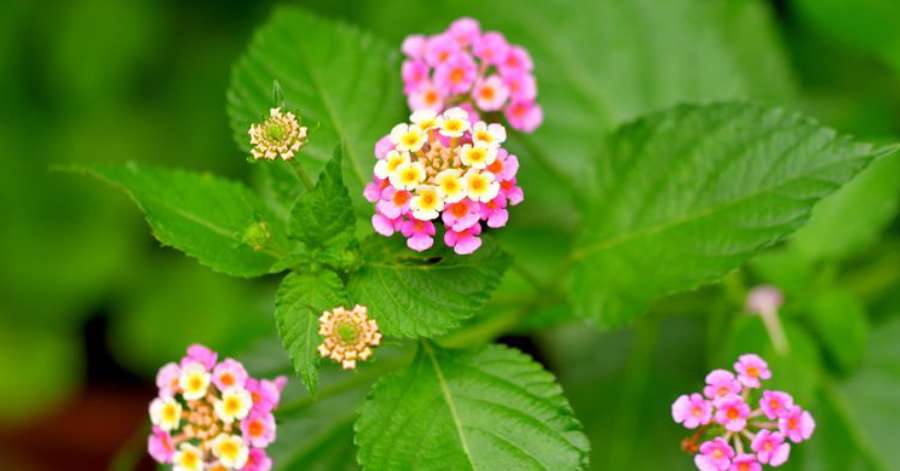
A systematic review in Trends in Pharmacology and Toxicology synthesizes extensive phytochemical and pharmacological data on Lantana camara L., positioning this invasive Verbenaceae species as a significant candidate for drug lead discovery. The analysis underscores a rich profile of pentacyclic triterpenoids, flavonoids, and sesquiterpenoids with demonstrated in vitro and in vivo bioactivity across multiple disease models.
Compiled by Jain et al, the review details over 100 bioactive compounds isolated from various plant parts, with lantadenes A and B identified as key hepatotoxic yet pharmacologically active triterpenoids. Significant findings include:
- Anticancer activity: Lantadene B showed potent cytotoxicity against MCF-7 cells (IC₅₀ 112.2 µg/mL), inducing caspase-9 release and G1/S cell cycle arrest. Semi-synthetic derivatives exhibited enhanced antiproliferative effects against A375 melanoma cells.
- Anti-inflammatory mechanisms: Triterpenoids from aerial parts inhibited NO release in LPS-induced BV-2 microglia and reduced ROS in zebrafish embryos, suggesting neuroinflammatory pathway modulation.
- Antimicrobial breadth: Essential oils and extracts show activity against multidrug-resistant E. coli, Mycobacterium tuberculosis strains (including rifampicin-resistant TMC-331), and diverse fungal pathogens.
- Metabolic & CNS effects: Iridoid glycosides demonstrated hypolipidemic activity, while verbascoside exhibited protein kinase C inhibition, relevant for metabolic and neurodegenerative disorders.
Critical Perspective:
Despite promising pharmacodynamics, the review emphasizes dose-dependent hepatotoxicity mediated by lantadenes, necessitating rigorous toxicological profiling and structural optimization to separate therapeutic effects from adverse outcomes.
Research Outlook
The authors advocate for standardized extraction protocols, mechanistic in vivo studies, and preclinical safety assessments to translate L. camara‘s phytochemical wealth into viable therapeutics. This dual approach could simultaneously address its ecological impact through sustainable utilization.