
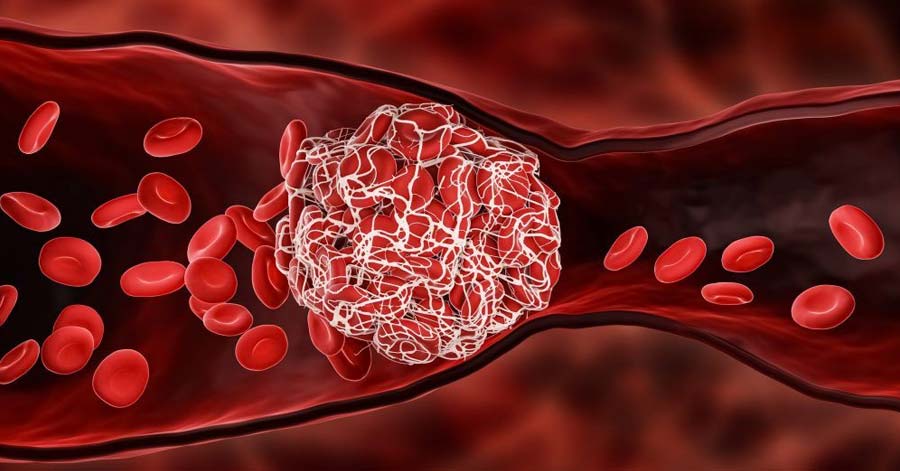
Long COVID, a condition marked by symptoms lasting months after an initial SARS-CoV-2 infection, is increasingly being recognized as a complex, multi-organ disorder driven by lingering inflammation and microscopic blood clots. New research published in Frontiers of Medicine suggests that these biological disturbances may help explain why millions of people worldwide continue to experience fatigue, brain fog, heart problems, and other debilitating effects long after recovering from acute COVID-19.
Estimates indicate that nearly 65 million people globally are affected by long COVID. Scientists now believe the condition arises from several overlapping mechanisms rather than a single cause. These include persistent viral fragments in the body, chronic low-grade inflammation characterized by elevated inflammatory markers, immune system dysregulation, and the formation of small clots in the capillaries. These micro-clots can impair oxygen delivery to tissues, potentially damaging organs such as the brain, heart, kidneys, and liver.
One key finding highlighted by researchers is the interaction between the coronavirus spike protein and fibrinogen, a blood-clotting protein. This interaction appears to promote the formation of abnormal clots that resist normal breakdown, contributing to poor circulation and ongoing inflammation. Alongside clotting, disruptions in mitochondrial function, the cell’s energy-producing system, may further explain the profound fatigue commonly reported by patients.
Despite the lack of an approved cure, there are early signs of progress. Non-drug approaches, including structured rehabilitation programs, breathing exercises, and carefully paced physical activity, have shown benefits for some patients. However, experts caution that unsupervised or excessive exercise can worsen symptoms, emphasizing the need for individualized and gradual rehabilitation strategies.
Pharmacological research is also expanding. Antiviral drugs taken during the early phase of COVID-19 infection appear to modestly reduce the risk of developing long COVID. Other treatments under investigation include anti-inflammatory agents, drugs that target abnormal clotting, and medications aimed at regulating immune responses. Metformin, a widely used diabetes drug, has attracted attention after studies suggested it may significantly lower long-COVID risk when administered early.
Emerging therapies are exploring the role of the gut microbiome, supplements that support cellular energy metabolism, and novel biologic drugs designed to block inflammation at its source. While many of these approaches show promise, the majority of evidence currently comes from small or early-stage studies.
Researchers stress that large, well-designed clinical trials are urgently needed to identify effective, evidence-based treatments. Until then, a multidisciplinary and personalized approach remains the most practical strategy for managing long COVID, reflecting the condition’s diverse and systemic nature.