
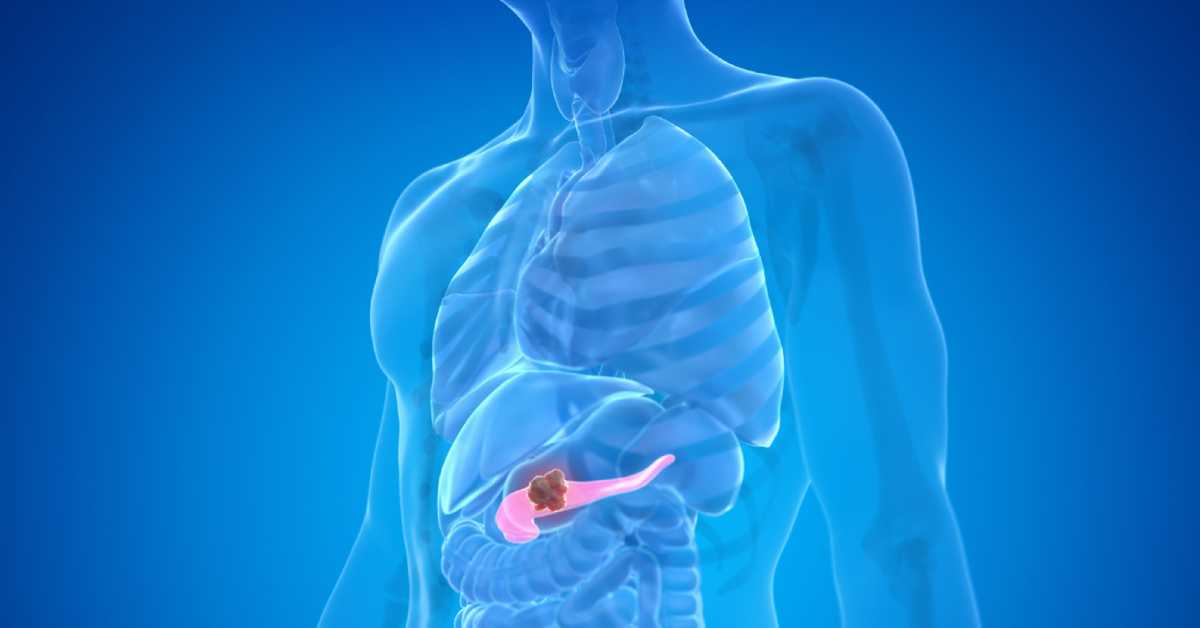
Scientists at the Innovation Center of NanoMedicine (iCONM) in Kawasaki City, Japan, have developed a groundbreaking nanomachine that can remain in the bloodstream for over 100 hours, offering a new strategy for treating highly refractory cancers such as pancreatic and metastatic breast cancer. The research, led by Professor Kazunori Kataoka and published in Nature Biomedical Engineering on October 31, 2025, introduces a novel “stealth cloak” that allows therapeutic enzymes to survive longer within the human body, enabling a continuous starvation therapy that deprives tumors of essential nutrients.
A New Approach to Drug Delivery
When conventional drugs are injected into the body, a large proportion is quickly removed by the kidneys or broken down by the liver before reaching the target tissue. Nanomedicine seeks to overcome this limitation by packaging drugs inside nanocarriers, which are tiny capsules measured in nanometers that can deliver therapeutic agents more effectively to diseased sites.
However, these nanocarriers often face another major obstacle: the immune system. Recognized as foreign invaders, they are rapidly destroyed by immune cells, reducing their circulation time and therapeutic impact. To address this, scientists typically coat nanocarriers with polyethylene glycol (PEG), a material that helps them evade immune detection. Yet PEG coatings have drawbacks, including limited durability and potential immune responses after repeated use.
The iCONM research team took a completely different approach. Instead of PEG, they designed a “stealth cloak” made from a crosslinked ion-pair network, a structure formed by linking positively and negatively charged polymers (polycations and polyanions). This tightly woven network minimizes unwanted interactions with blood proteins and immune cells, effectively disguising the nanomachine and allowing it to circulate in the body for days without being cleared.
Starving Cancer Cells of Nutrients
The researchers tested this system by loading the nanomachines with asparaginase, an enzyme that breaks down L-asparagine, an amino acid critical for cancer cell growth. By depleting this nutrient, the therapy induces a state of metabolic starvation, halting tumor progression.
This concept, known as starvation therapy, has been successful in blood cancers like leukemia but has faced major challenges in solid tumors, where it is difficult to maintain prolonged enzyme activity. Thanks to the new ion-pair network, the nanomachines achieved sustained enzyme function, maintaining circulation for more than 100 hours and continuously depriving cancer cells of nutrients.
Promising Results in Pancreatic and Breast Cancers
In laboratory models of pancreatic and triple-negative breast cancer (TNBC), the long-circulating nanomachines significantly inhibited tumor growth. Notably, in pancreatic cancer, which is the most lethal cancer type with a five-year survival rate below 10 percent, the therapy also reduced the dense stromal barrier surrounding the tumor. This fibrous layer often prevents immune therapies such as anti-PD-1 antibodies from penetrating the tumor effectively.
By softening the tumor’s microenvironment, the treatment improved antibody access and boosted the success of immunotherapy. The findings suggest that long-acting nanomachines could make even the most resistant tumors more responsive to existing treatments.
A Platform for Future Cancer Therapies
Professor Kataoka emphasized that the research represents a conceptual leap in nanomedicine. “Our ion-pair network allows therapeutic enzymes to remain active in the body far longer than before,” he explained.
This could transform cancer therapy by reshaping the tumor environment rather than simply delivering drugs to it.
The study proposes a generalizable design for future nanomedicines that do not rely on PEG and can be adapted for various therapeutic purposes, including enzyme therapies, metabolic interventions, and diagnostic tools. By focusing on systemic metabolism and the tumor microenvironment, rather than targeting a specific tumor type, the platform may also simplify the clinical translation process.
Toward Broader Medical Impact
Supported by Japan’s Ministry of Education, Culture, Sports, Science and Technology (MEXT) and the Japan Science and Technology Agency (JST) under the COI-NEXT program, this innovation could extend the reach of metabolic therapies to other hard-to-treat solid cancers.
Beyond cancer treatment, the ion-pair network technology demonstrates the potential of in-body nanomachines, engineered systems capable of performing precise biochemical tasks within living organisms. The researchers hope their work will inspire new therapeutic strategies that modify disease environments rather than merely attacking diseased cells.
By combining materials science, nanotechnology, and molecular medicine, the iCONM team has opened a promising new chapter in the quest to outsmart cancer’s most stubborn defenses.