
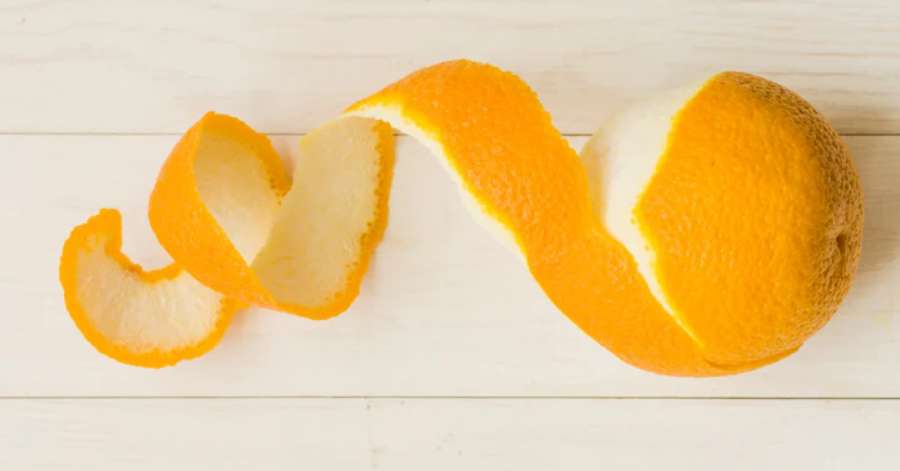
A recent study has demonstrated that the often-discarded peel of the common orange possesses significant antioxidant properties when tested in laboratory animals. Published in the journal Trends in Pharmacology and Toxicology, the research indicates that a hexane extract from Citrus sinensis (sweet orange) peel can effectively combat markers of oxidative stress, a biological imbalance linked to numerous chronic diseases.
The international research team, with members from institutions in Nigeria, Uganda, and the United Kingdom, sought to move beyond common laboratory tests and evaluate the extract’s effects in a living system. They induced oxidative damage in groups of albino rats using carbon tetrachloride, a known toxic agent. One group served as a healthy control, another as a damaged but untreated control, and a third received silymarin, a standard antioxidant drug. The remaining rats were treated with three different doses of the orange peel extract.
After one week, blood analysis revealed promising results. Rats that received the orange peel extract showed a significant reduction in malondialdehyde (MDA), a key indicator of cellular lipid damage caused by free radicals. The extract also modulated levels of glutathione (GSH) and enhanced the activity of two crucial native antioxidant enzymes: superoxide dismutase (SOD) and catalase (CAT). These effects were comparable in some measures to the group treated with the standard drug, silymarin.
Importantly, the extract showed a strong safety profile in initial tests. In an acute toxicity study, rats administered a single high dose of 5000 milligrams per kilogram of body weight displayed no signs of illness, mortality, or behavioral changes over a 14-day observation period, suggesting a high threshold for safe use.
Chemical analysis of the extract identified the presence of several bioactive compounds, including alkaloids, steroids, saponins, and glycosides, all of which are known to contribute to medicinal properties in plants. The specific solvent, hexane, used for extraction did not pull out flavonoids or tannins, compounds often associated with antioxidant activity, indicating that the observed benefits likely stem from a different mix of phytochemicals.
The findings highlight the untapped potential of agricultural by-products. Orange peel, a major waste product of the juice industry, could be repurposed as a source of valuable, safe, and natural antioxidants. These compounds could play a role in developing supportive therapies for conditions where oxidative stress is a key factor, such as cardiovascular disease, diabetes, and certain neurodegenerative disorders. The researchers conclude that the C. sinensis peel extract warrants further investigation for its pharmacological potential in managing oxidative stress-related damage.