
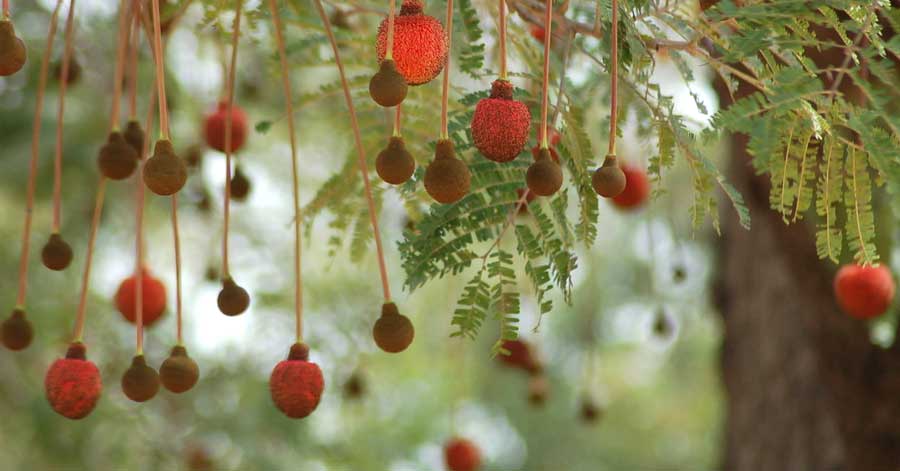
Researchers in Nigeria have discovered that an extract from the leaves of Parkia biglobosa, a tree widely used in traditional African medicine, can significantly protect the liver from damage caused by excessive acetaminophen (paracetamol) use. The findings, published in Trends in Pharmacology and Toxicology, highlight a promising, low-cost, plant-based approach for managing liver disorders in regions with limited access to conventional treatments.
The team conducted controlled experiments on laboratory rats, exposing them to high doses of acetaminophen, a pain reliever known to cause severe liver injury when taken in excess. The scientists then treated the animals with varying doses of Parkia biglobosa leaf extract and compared the results with those of a standard liver-protective drug, silymarin.
Clear Evidence of Liver Protection
Rats that received acetaminophen alone showed sharp increases in key liver enzymes and notable drops in essential proteins, classic signs of liver cell damage. However, animals treated with the plant extract demonstrated a strong recovery:
- Liver enzyme levels fell significantly toward normal ranges
- Blood protein levels improved, showing restored liver function
- Rats receiving the highest extract dose showed recovery patterns close to the group given silymarin
The extract also appeared to protect the animals’ overall health. While untreated rats lost weight during the study, those given the plant extract showed steady weight gain throughout the three-week experiment.
What Makes the Plant Effective?
Parkia biglobosa is known to contain flavonoids, phenols, tannins, and other phytochemicals with antioxidant and anti-inflammatory properties. These compounds can neutralize harmful molecules generated during drug metabolism, preventing further liver cell damage.
The researchers suggest that the extract’s antioxidant strength, combined with tannins’ natural protective effects on tissues, may explain its ability to reduce enzyme leakage and aid liver recovery.
Potential for Affordable Liver Therapies
Liver diseases remain a major global health concern, especially in low-resource settings where access to advanced treatments is limited. The study’s authors say their findings could support the development of affordable herbal therapies derived from Parkia biglobosa, a plant already familiar to many communities across West Africa.
They also point out that understanding how these plant compounds support liver regeneration could pave the way for new approaches to managing drug-induced liver injury.
A Step Toward Safer, Accessible Treatments
While more research, including clinical trials in humans, is needed, the study adds to growing evidence that traditional medicinal plants hold valuable therapeutic potential. For now, the findings highlight Parkia biglobosa as a promising candidate for future hepatoprotective drugs aimed at preventing or treating liver damage.