
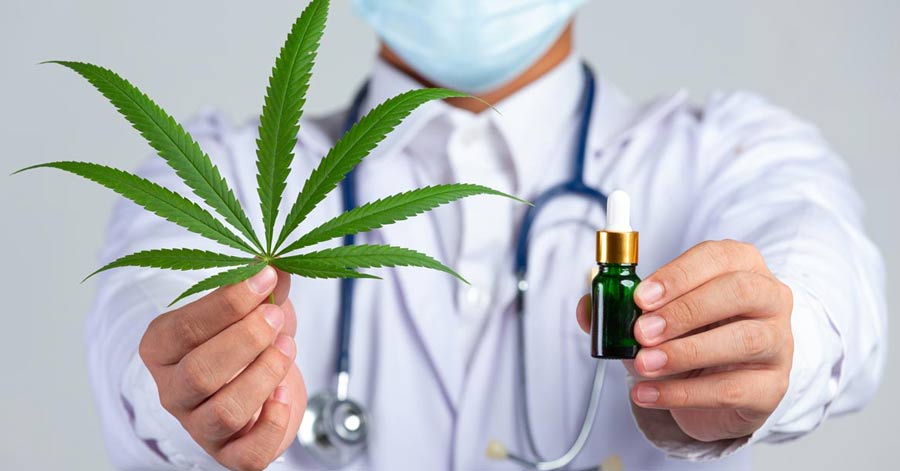
Medical cannabis is often promoted as a natural remedy for a wide range of health problems, from chronic pain and anxiety to sleep disorders. However, a new comprehensive scientific review suggests that many of these claims are not strongly supported by current evidence, and that the true medical benefits of cannabis are limited to only a small number of conditions.
The review, published in the journal JAMA, was led by researchers from UCLA Health and examined more than 2,500 scientific studies published between 2010 and 2025. These included randomized clinical trials, meta-analyses, and clinical guidelines. From this large body of research, the authors prioritized higher-quality studies to assess where medical cannabis is truly effective and where evidence remains uncertain.
According to the findings, strong clinical support exists mainly for a few FDA-approved cannabinoid-based medications. These include treatments for chemotherapy-induced nausea and vomiting, appetite loss associated with HIV/AIDS, and severe childhood seizure disorders such as Dravet syndrome and Lennox-Gastaut syndrome. Outside of these specific uses, the evidence for medical cannabis was found to be weak, inconsistent, or insufficient.
Despite this, cannabis is commonly used for conditions such as chronic pain, anxiety, and insomnia. The review notes that more than half of medical cannabis users report using it to manage chronic pain. However, current clinical guidelines do not recommend cannabis-based treatments as a first-line option for pain management, largely due to limited and mixed evidence of effectiveness.
In addition to questioning the benefits, the researchers also examined potential health risks. Long-term use of high-potency cannabis products was linked to higher rates of anxiety and psychotic symptoms, particularly among adolescents and young adults. The review also found that approximately 29% of medical cannabis users met the criteria for cannabis use disorder, highlighting concerns about dependency.
Cardiovascular risks were another key issue identified. Daily cannabis use, especially through inhalation or consumption of high-THC products, may increase the risk of heart-related conditions such as coronary heart disease, heart attack, and stroke when compared with non-daily users. These risks are often overlooked in public discussions about medical cannabis.
The authors stress the importance of informed, evidence-based conversations between clinicians and patients. They recommend that healthcare providers screen patients for mental health conditions, cardiovascular disease, and possible drug interactions before considering cannabis-based treatments. Rather than assuming cannabis is harmless or universally beneficial, decisions should be tailored to individual risk profiles.
While public interest in medical cannabis continues to grow, the researchers emphasize that scientific evidence has not kept pace with popular belief. They acknowledge that more rigorous and well-designed studies are needed to better understand both the benefits and risks of cannabis use in medical settings.
Until clearer evidence is available, the review encourages patients, clinicians, and policymakers to approach medical cannabis with caution and rely on established scientific data rather than anecdotal claims or widespread assumptions.