
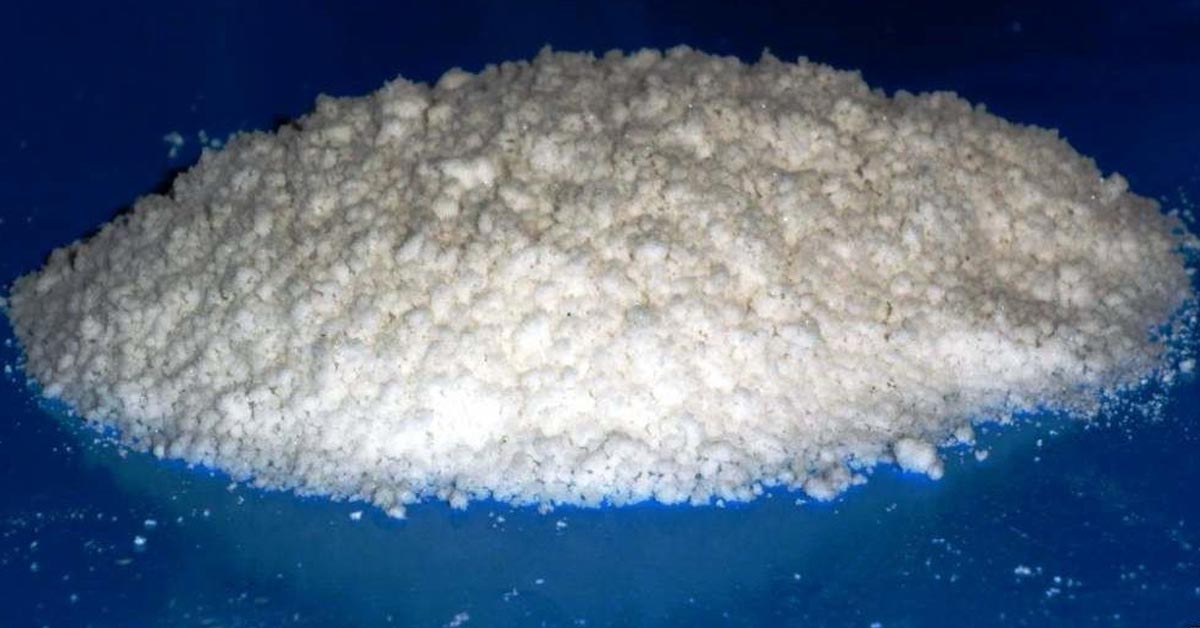
Scientists at the University of Kentucky have uncovered how high doses of sodium selenite, a widely used inorganic form of selenium, can severely impair survival, behavior, and vital physiological functions in species ranging from fruit flies to crayfish and crabs. The findings, published in the Journal of Pharmacology and Toxicology, offer new insight into how selenium overexposure affects multiple biological systems and raise important questions about its safety across environments and species.
Study Overview
The research team examined how acute and dietary exposure to sodium selenite influences the nervous system, heart function, synaptic communication, and development in three model organisms: Drosophila melanogaster (fruit fly), crayfish, and blue crabs. The study combined behavioral testing, heart rate monitoring, electrophysiological recordings, and survival assessments to determine which physiological systems are most vulnerable.
Selenium is essential in small amounts, supporting antioxidant protection and normal cellular metabolism. However, high levels can be toxic, and environmental contamination from mining, agriculture, and industrial waste has heightened concerns about its biological impact. This study aimed to clarify how quickly toxicity emerges and which organ systems fail first.
Key Findings
- Rapid and Lethal Effects in Fruit Flies
Fruit fly larvae fed food containing 1 mM sodium selenite showed complete mortality within 24 hours. Adult flies survived slightly longer, approximately three days, but declined rapidly, becoming lethargic before dying. Behavioral assays revealed that even lower concentrations (0.5 mM) reduced larval movement and feeding activity, suggesting early disruption of neuromuscular coordination. Reduced feeding alone could not fully explain the mortality rate, indicating that selenium likely exerts direct physiological toxicity.
- Heart Failure and Complete Mortality in Crayfish
Crayfish injected with sodium selenite exhibited dramatic physiological breakdown. Although their heart responses remained initially functional, all exposed crayfish died within four hours of injection. In contrast, all saline-injected controls survived for two weeks. Short term recordings showed that sensory pathways and cardiac responses briefly remained active, but the entire system collapsed rapidly thereafter, pointing toward a systemic toxic effect that overwhelms neural and cardiac regulation.
- Mixed Effects on Heart Function in Fruit Fly Larvae
When the researchers exposed dissected fruit fly hearts to sodium selenite, heart rates fluctuated unpredictably. Some increased and others slowed, but the changes were not statistically consistent. Once the compound was washed out, heart rates tended to return to baseline, suggesting that the heart’s direct sensitivity may be lower than that of whole organism behavior or survival.
Neural Responses Shift in Crabs but Not Crayfish
Sodium selenite enhanced neural firing in the crab’s proprioceptive chordotonal organ, indicating heightened sensory activity, while the comparable proprioceptive system in crayfish showed no significant change. These contrasting results reveal species-specific differences in nervous system sensitivity.
- Synaptic Transmission Altered in Opposite Directions
At the neuromuscular junction, where nerves communicate with muscles, the compound produced two opposite effects:
- In crayfish, synaptic signals became stronger, possibly due to enhanced calcium entry or changes in muscle responsiveness.
- In fruit fly larvae, the same compound weakened synaptic signals by about one third, suggesting inhibition of either nerve activity or glutamate receptor response.
These diverging outcomes emphasize that sodium selenite can influence communication between nerves and muscles in complex and unpredictable ways.
Broader Impact
Overall, the study demonstrates that sodium selenite can disrupt essential biological functions across species within hours or even minutes. Its impacts range from impaired feeding and movement to cardiac arrest and death. While selenium remains a vital micronutrient, this research reinforces how narrow the line is between beneficial and toxic exposure.
The authors note that future studies should explore long-term exposure, interactions with proteins in bodily fluids, and whether organic selenium compounds produce similar effects. As selenium contamination continues to rise in some environments, understanding these mechanisms is increasingly important for ecological and public health.