
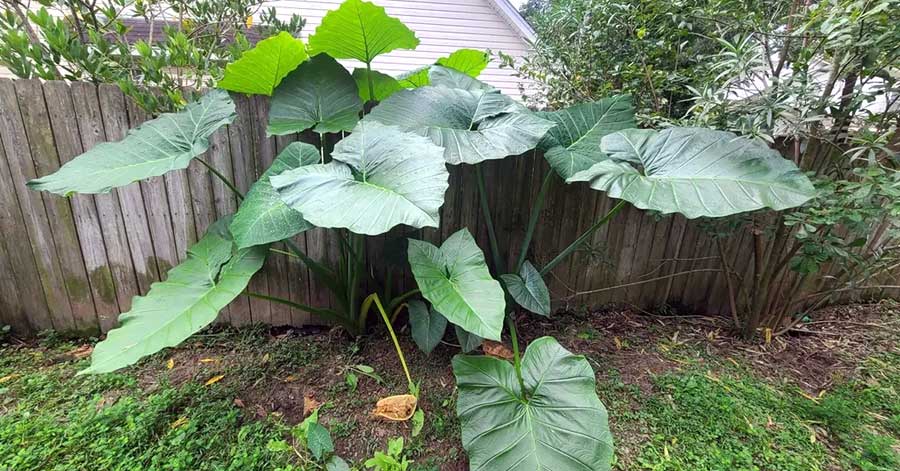
A team of scientists from the University of Lomé has provided the first scientific evidence that the leaves of Xanthosoma mafaffa, a plant widely used in Togo’s traditional medicine, can effectively treat anemia. Their findings, published in the Journal of Pharmacology and Toxicology, show that plant extracts restored key blood parameters in rats with chemically induced hemolytic anemia.
A Traditional Remedy Put to the Test
Although Xanthosoma mafaffa (which is also consumed as a food crop) has been used for generations to combat fatigue and blood-related ailments, its antianemic effects had not been formally evaluated. The new study set out to verify these claims using a controlled laboratory experiment on Wistar rats.
Researchers induced anemia using phenylhydrazine, a chemical that destroys red blood cells. After two days, the animals received either a standard iron-based treatment or varying doses of the plant extract.
Remarkable Recovery of Blood Parameters
Across the 15-day treatment period, the rats given X. mafaffa extract showed a steady recovery in:
- Hemoglobin levels
- Red blood cell counts
- Hematocrit
- Indicators of red blood cell size and hemoglobin content
At the higher dose of 1000 mg per kilogram, the plant extract performed comparably to the commercial supplement Vitafer®, and in some cases even surpassed it. The extract also improved red blood cell stability, making them more resistant to rupture in low-salt solutions, which indicates the presence of younger and healthier cells.
The researchers attribute these effects to the plant’s rich mix of phytochemicals, including flavonoids, tannins, saponins, and alkaloids. Many of these compounds support antioxidant activity and blood cell regeneration.
Safe Even at High Doses
To assess safety, the team conducted an acute toxicity test at doses up to 5000 mg per kilogram. None of the animals showed behavioral changes, organ damage, or mortality during the two-week observation period. This suggests that the extract has a wide safety margin in this animal model.
A Step Toward Validating Traditional Knowledge
The findings help link traditional medicine with scientific testing. By demonstrating that X. mafaffa can stimulate the production of new red blood cells and counteract hemolysis, the study supports the value of local medicinal plants as accessible treatment options, especially in regions where anemia is widespread.
What Comes Next?
While the results are promising, the authors note that additional work is needed. Future studies should:
- Identify the specific bioactive compounds responsible
- Explore biochemical and histological effects
- Compare the extract with other standard therapies
- Conduct human clinical trials to confirm safety and effectiveness
If future research supports these findings, Xanthosoma mafaffa could become an affordable plant-based therapy for anemia that strengthens local healthcare systems using traditional knowledge.