
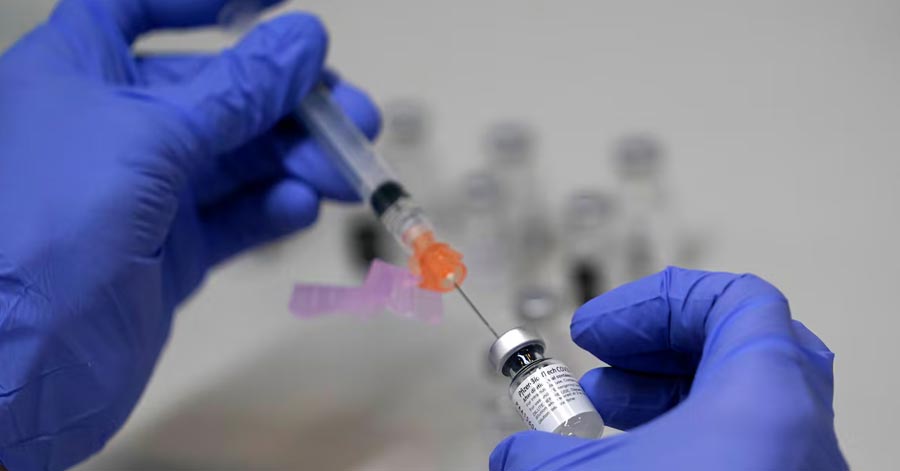
A new systematic review has revealed that syringe reuse remains alarmingly common across Pakistan, particularly in rural and informal healthcare settings. The research, published in Trends in Pharmacology and Toxicology, analyzed two decades of studies and found that unsafe injection practices continue to drive the spread of Hepatitis B, Hepatitis C, and HIV. The findings highlight urgent gaps in regulation and public awareness despite years of national and international safety campaigns.
Unsafe Injection Practices Remain Deeply Entrenched
The review examined studies published between 2005 and 2025 and found that syringe reuse occurs in 17–67% of healthcare encounters, depending on the region. Informal clinics, unlicensed practitioners, and under-resourced facilities were identified as the highest-risk environments. In many of these settings, syringes intended for single use are repeatedly used without sterilization, creating direct pathways for bloodborne infections.
Why Syringes Are Being Reused
The evidence points to multiple systemic issues:
- Weak regulation: Safety guidelines exist, but enforcement is inconsistent.
- Financial constraints: Many clinics face shortages of supplies or seek to cut costs.
- Limited provider training: Not all healthcare workers are educated about injection safety.
- Public misconceptions: Many patients believe injections are more effective than pills and request them even when unnecessary.
- Informal healthcare sector: A large portion of the population relies on unregulated providers who frequently reuse equipment.
These factors work together to sustain unsafe practices in both urban and rural settings.
Link to Major Disease Outbreaks
Several notable outbreaks were traced directly to syringe reuse. In parts of Sindh and southern Punjab, reused syringes have been linked to 30–40% of Hepatitis C infections. Major HIV outbreaks in Larkana (2019) and Sargodha (2021) were also tied to contaminated syringes used by informal providers. These incidents show how a single unsafe clinic can rapidly fuel large-scale transmission.
The author emphasized the severity of the problem, noting that,
“Syringe reuse remains one of the most preventable yet persistent drivers of bloodborne infections in Pakistan.”She added that without coordinated national action, “unsafe injections will continue to undermine public health progress across the country.”
Interventions Exist but Are Not Strong Enough
The review noted multiple attempts to curb syringe reuse—such as bans on glass syringes, WHO-supported awareness campaigns, and training sessions for healthcare workers. However, these efforts have often been short-lived, donor-dependent, or limited to specific provinces. Without consistent enforcement and nationwide surveillance, the practice continues unchecked.
What’s Still Missing
Key gaps identified in the review include:
- No national surveillance system to monitor injection safety
- Almost no data from underserved regions like Gilgit-Baltistan and Baluchistan
- Inadequate follow-up after awareness campaigns
- Little oversight in the private and informal healthcare sectors
Final Perspective
The review makes clear that syringe reuse in Pakistan is a widespread and preventable threat that continues to fuel the transmission of serious diseases. Eliminating this practice will require strict enforcement of safety regulations, community-level education, routine audits, and mandatory provider training. Without sustained action, millions will remain at risk of bloodborne infections.